Conservation is stronger when communities lead
Current & Upcoming Projects
Who We Are
Naturewatchers is a field-based conservation initiative bringing together researchers, community practitioners, and ecotourism professionals with experience in protected areas in Iran.
Our work is grounded in participatory conservation: collaborating with local communities, rangers, volunteers, and other stakeholders to support wildlife stewardship, environmental awareness, and responsible nature tourism.
Drawing on practical field experience in and around Golestan National Park and other protected landscapes, we connect local knowledge with research, communication, and international collaboration to help build more inclusive and resilient conservation outcomes.
Meet Our Team
Naturewatchers brings together complementary expertise in participatory conservation, wildlife monitoring, protected-area fieldwork, environmental education, ecotourism, research, and visual documentation.
Mohsen Abdi
Co-Founder
Community Conservation & Sustainable Tourism Lead
Tourism researcher and participatory conservation practitioner specialising in community engagement, visitor education and sustainable tourism.
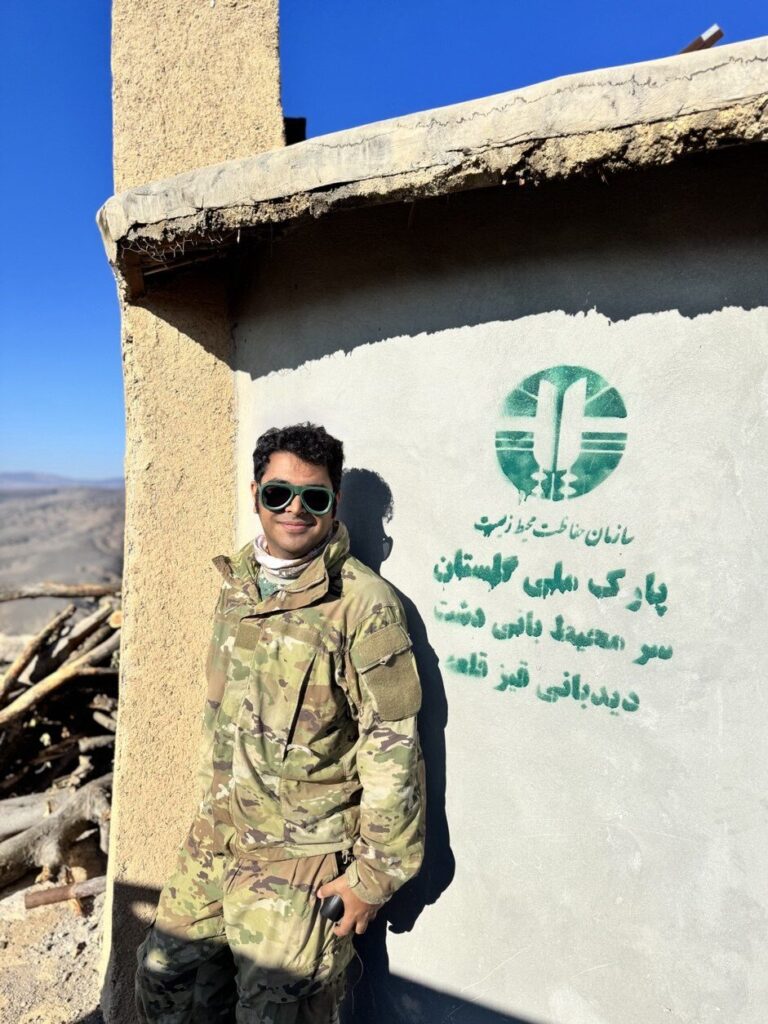
Payam Mehnani
Co-Founder
Field Research, Ecotourism & Environmental Documentation Lead
Environmental researcher with extensive experience in field exploration, wildlife monitoring, expeditions and documentary production across Iran
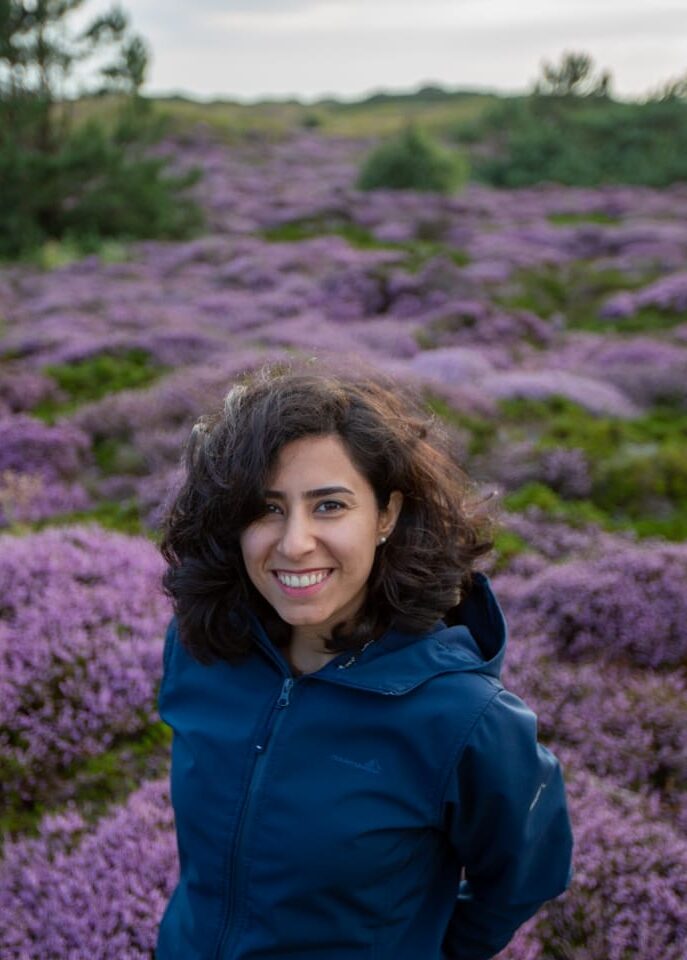
Reyhaneh Roohi
Conservation Programme & Governance Advisor
Conservation professional specialising in programme development, partnerships, capacity building and organisational learning
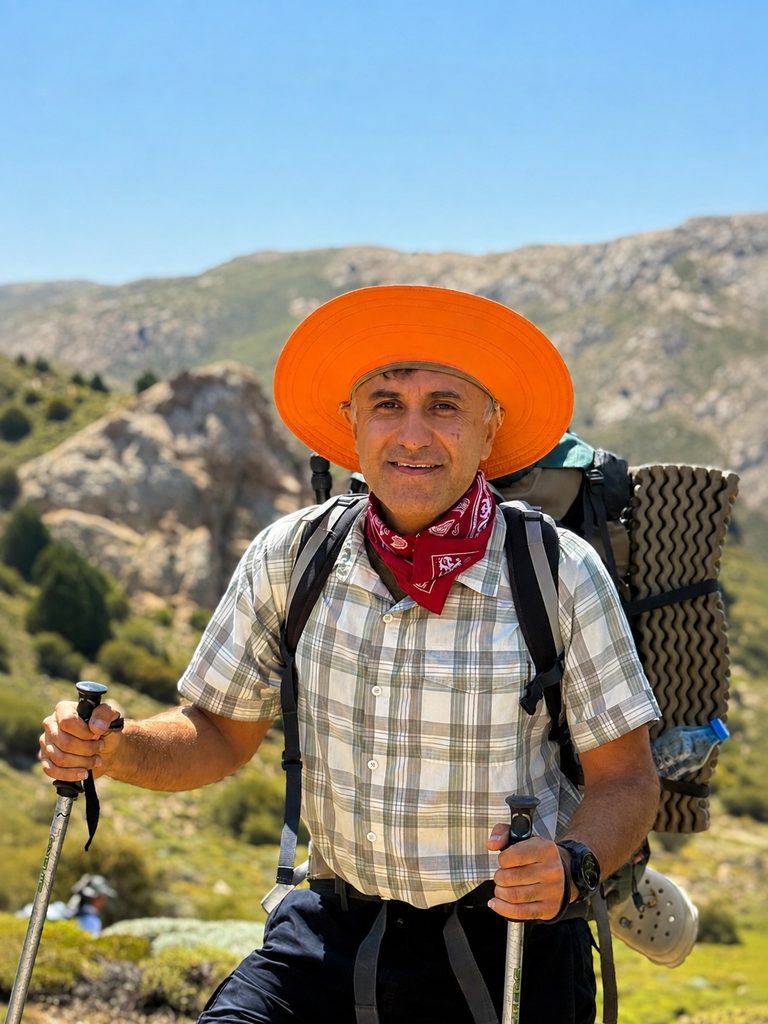
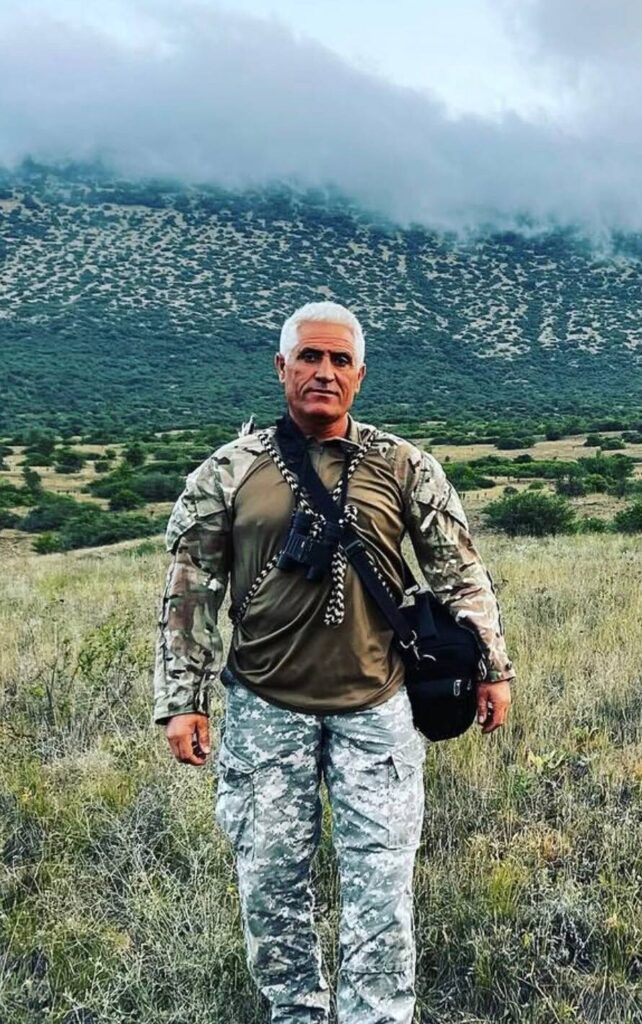
Ali Goodarzi
Community Engagement & Wildlife Conservation Lead
Community conservation advocate with over a decade of experience in wildlife protection, local engagement and responsible ecotourism around Golestan National Park
Ehsan Shakeri
Videographer & Editor
Experienced in documentary filming, photography and video editing for cultural, environmental and field-based projects. He supports Nature Watchers by documenting fieldwork and shaping visual stories from landscapes and communities
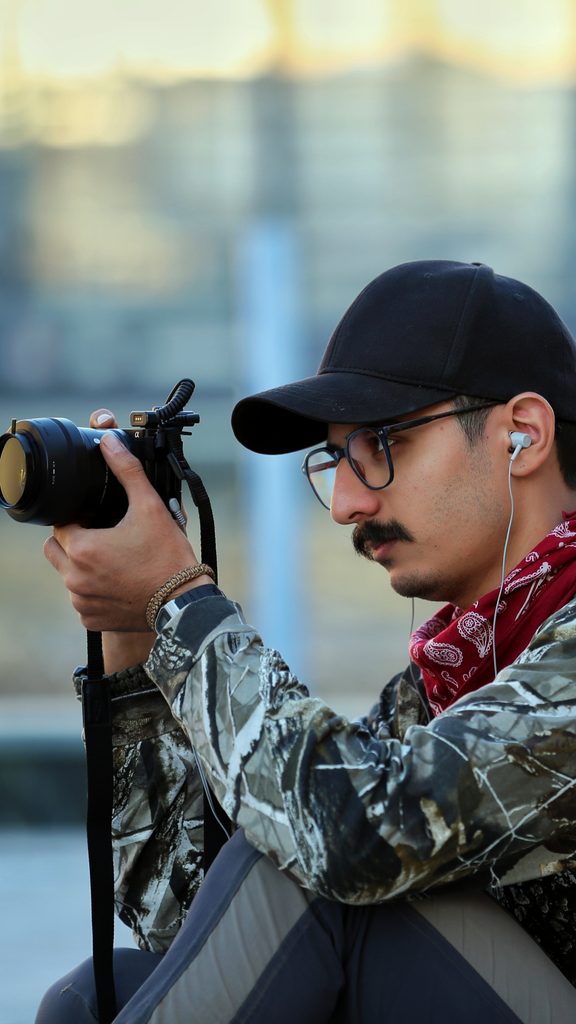
Iman Badri
Director & Documentary Filmmaker
Creator of cultural and nature-based documentaries exploring Iran’s landscapes, heritage and communities.
His work includes documentary projects on the Persian Gulf and Iran’s historic caravanserais.

Our Approach
We combine local knowledge, field research, and practical collaboration to support conservation that is inclusive, evidence-informed, and grounded in place.
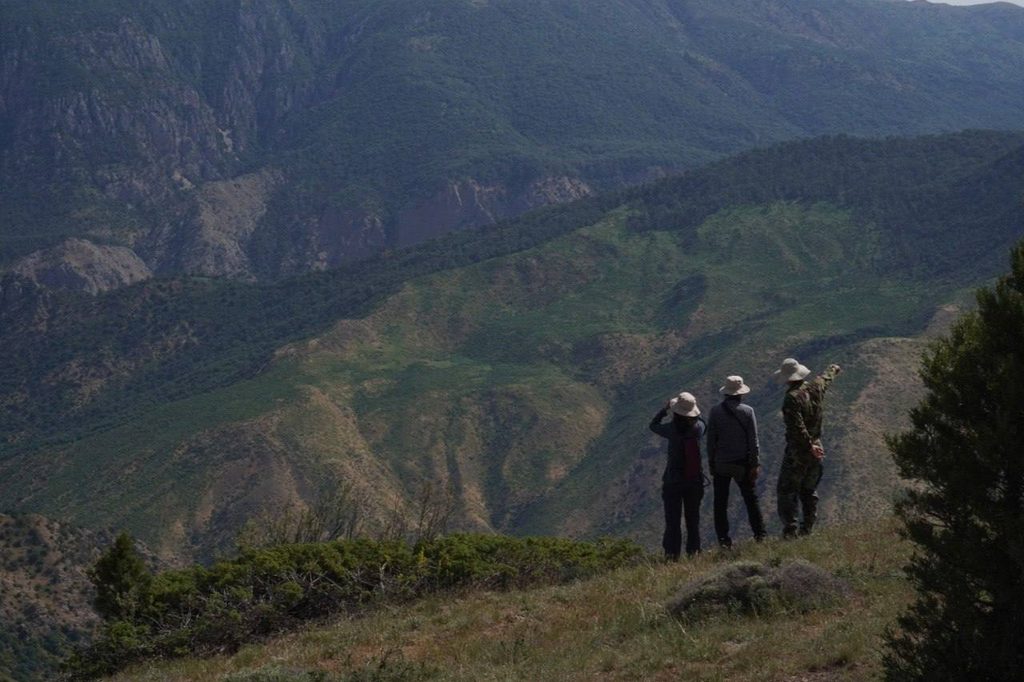

Community-Led Monitoring
We work with local communities, volunteers, and park practitioners to document wildlife observations, identify conservation concerns, and support stewardship in protected landscapes.

Environmental Education
We design practical learning activities that encourage responsible visitor behaviour, strengthen environmental awareness, and connect people with the places they care about.

Responsible Nature Tourism
We explore tourism approaches that create local value while respecting wildlife, habitats, and the cultural character of protected areas.
Participatory Biodiversity Conservation
We support biodiversity conservation through community participation, field-based learning, wildlife monitoring, and practical collaboration in and around protected areas.
Community-Based Wildlife Monitoring
We collaborate with local communities, volunteers, and conservation practitioners to observe wildlife, document field conditions, and strengthen shared responsibility for biodiversity.
Environmental Awareness & Local Action
We promote practical environmental learning and local initiatives that help connect people, wildlife, and protected landscapes.
Responsible Ecotourism
We support nature-based tourism that values living wildlife, respects habitats, and contributes to local wellbeing.
Our Fieldwork
Our field experience is rooted in protected areas and conservation landscapes in Iran. We work at the intersection of wildlife monitoring, community participation, environmental education, responsible ecotourism, and field-based documentation.
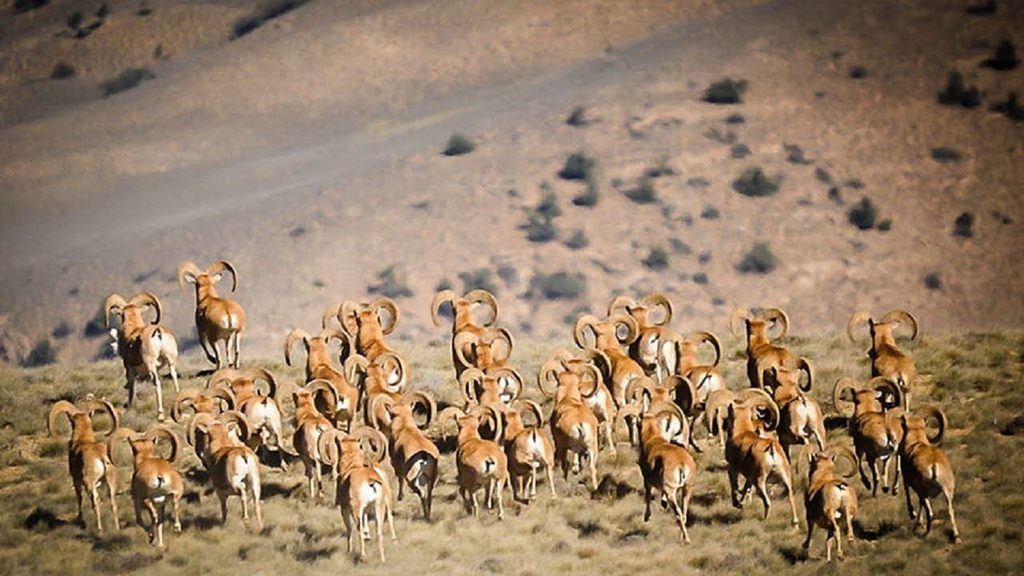
Participatory Wildlife Monitoring
Field-based monitoring with local communities, volunteers, and conservation practitioners to document wildlife observations and strengthen stewardship.
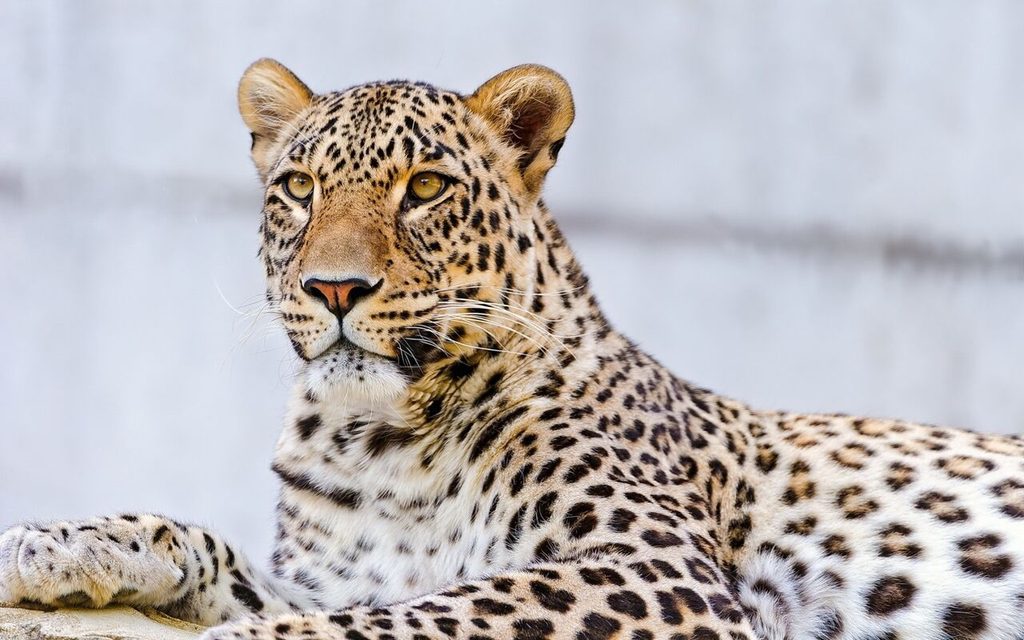
Responsible Nature Tourism
Nature-based tourism approaches that respect wildlife and habitats while creating meaningful local benefits.
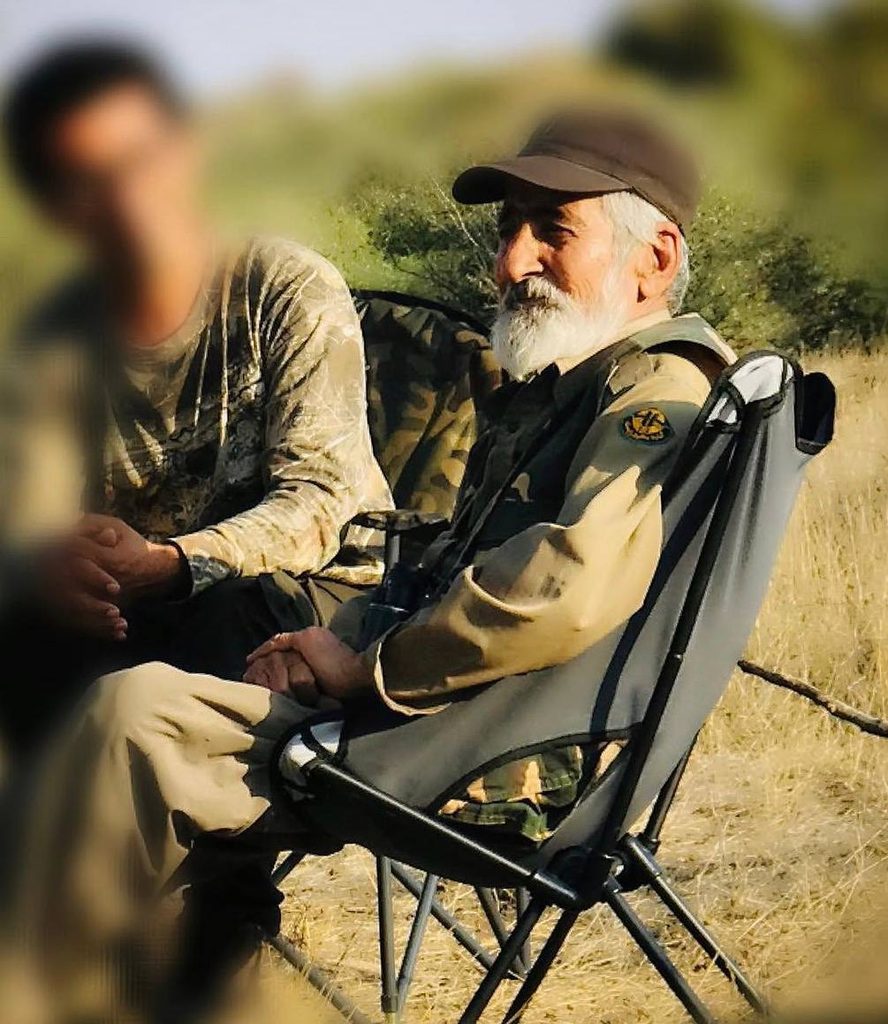
Stories from the Field: In Memory of Uncle Nasir
In memory of Nasir Azizkhani, affectionately known as “Uncle Nasir,” a respected retired ranger and storyteller of Golestan National Park, who passed away in 2025.
For many years, his life was closely connected to the park’s landscapes, wildlife, and people. Through his field knowledge, vivid stories, and deep respect for nature, he shared a living memory of Golestan with colleagues, visitors, and younger conservationists.
His legacy reminds us that conservation is not only about monitoring species and protecting habitats; it is also about listening to the people whose lives, experiences, and stories are woven into a landscape.
Our Projects
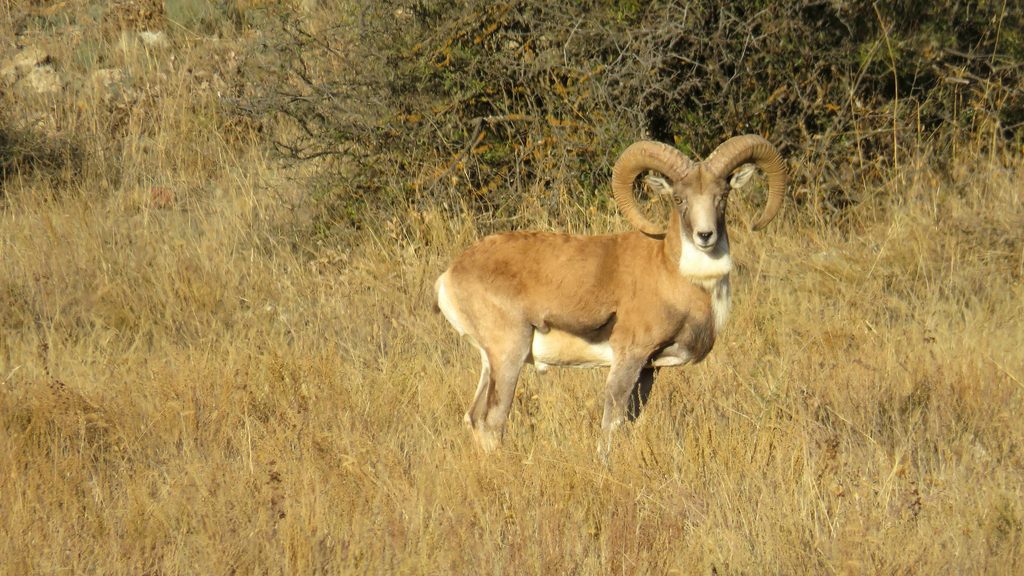
Protecting Urial During the Rutting Season
A Community-Based Conservation Project in Golestan National Park, Iran
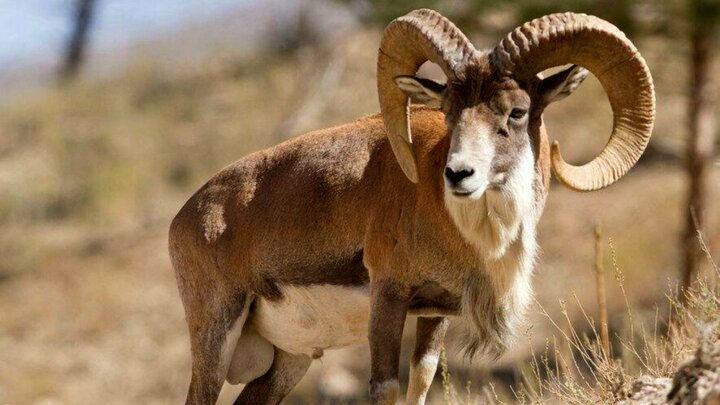
One of our first community-based conservation projects focused on the Urial sheep (Ovis vignei) in Golestan National Park, Iran.
The rutting season, which takes place in autumn and particularly around November and December, is a sensitive period for Urial sheep. During this time, males may move beyond their usual areas in search of females and can come closer to areas where people are present. This can increase their vulnerability to illegal hunting.
To help reduce this risk, we launched a call for volunteers and invited people from different parts of Iran to join us in Golestan National Park. Volunteers worked alongside local communities to maintain a regular presence in the area, monitor wildlife activity, and support local protection efforts.
The contribution of local communities was particularly important. Local people played a central role in the project and supported the volunteer teams throughout their presence in the park. One of the main activities was keeping the park’s ranger outposts visibly active, including keeping their lights on at night. This simple but continuous presence helped discourage illegal hunters from entering the area.
The volunteer protection team remained in the park for 40 days. According to the park’s director and deputy director, no conflict or confrontation was reported during this period.
The project also created an unexpected opportunity for cooperation with people who had previously been involved in hunting. Some former hunters, as well as some legal hunters, supported the conservation effort and helped us reduce potential conflicts in the area.
The experience showed us that conservation does not always depend only on formal enforcement. When local communities, volunteers, conservation authorities and other stakeholders work together, a shared presence can become a powerful tool for protecting wildlife.
Following the rutting season, the community-based protection approach continued during the lambing period, when reducing disturbance and stress around breeding areas was particularly important. This approach has continued beyond the original project and remains part of our broader experience with participatory wildlife conservation.
For NatureWatchers, this project represents an important principle:
Protecting wildlife also means building relationships between people, communities and nature.
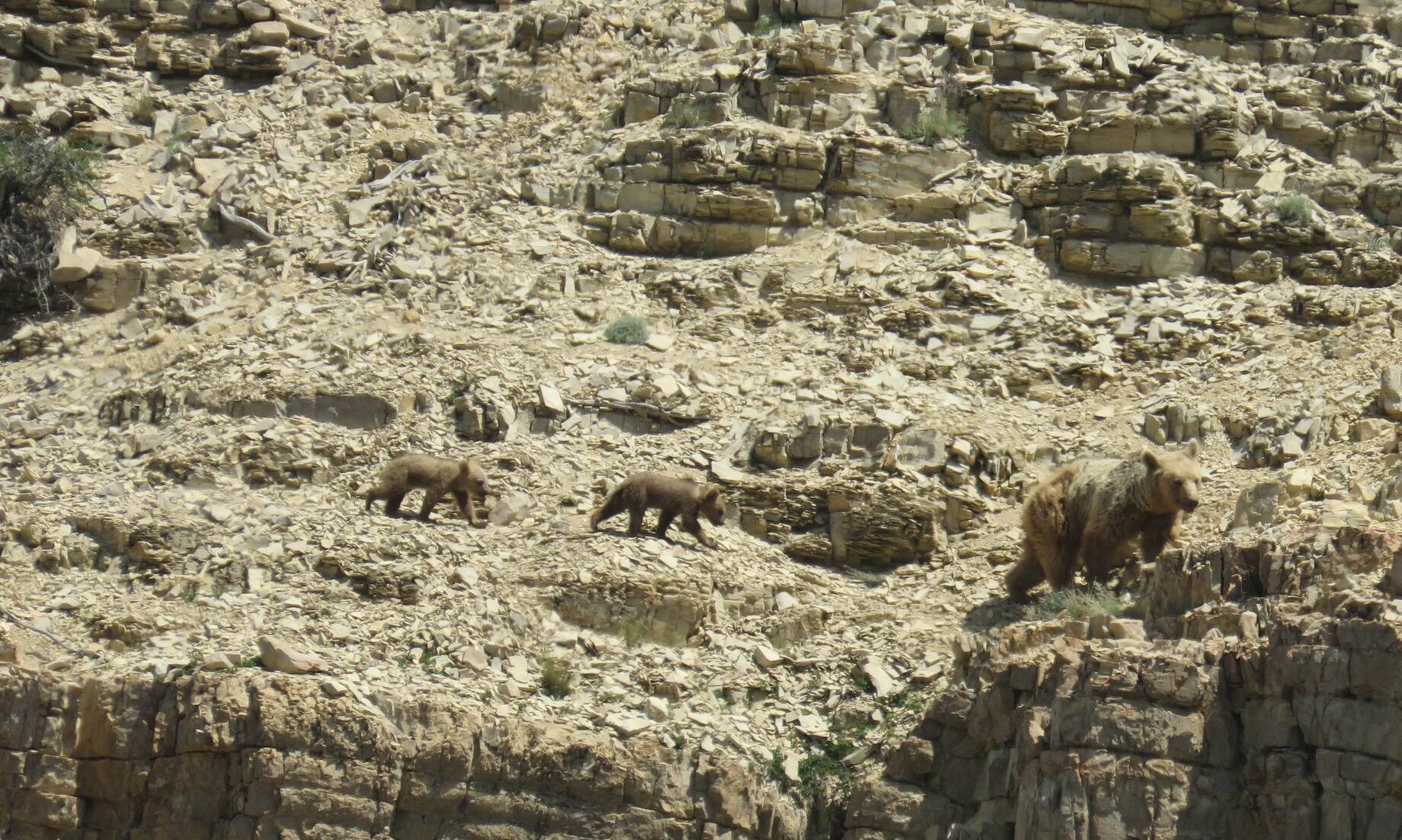
Protecting Brown Bears Through Community Cooperation
Reducing Human–Bear Conflict in Qarqhoud Protected Area, Iran
In the Qarqhoud Protected Area in northeastern Iran, brown bears face a recurring challenge when they emerge from their winter dens in late winter and early spring. Hungry after months of hibernation, bears may enter nearby orchards and agricultural areas in search of food, particularly when fruit and other crops are available.
For local farmers, these encounters can result in damaged orchards and significant concerns about their livelihoods. For the bears, however, entering an orchard is often simply a response to a basic need: finding food.
To reduce these conflicts without harming the animals, we worked together with local communities and organized teams to monitor areas where bears were likely to appear. Volunteers also spent time in villagers’ orchards, helping farmers deter bears and guide them away from agricultural areas without causing harm.
One of the methods used by the teams was maintaining a human presence and lighting fires in the orchards when necessary. The presence of people and light helped discourage bears from remaining in the orchards and reduced the likelihood of prolonged encounters between wildlife and local residents.
The cooperation of local people was at the heart of this effort. Some villagers actively supported the protection of brown bears and understood that occasional damage to their orchards was part of living alongside wildlife.
One local resident expressed this attitude simply:
“A bear’s nature is to search for food and feed itself. It may damage our orchards, but we don’t consider that a problem.”
For us, this project was not only about moving bears away from orchards. It was about building coexistence.
By working alongside local communities, responding to conflicts without harming wildlife, and involving volunteers directly in the field, we explored a practical approach to reducing human–bear conflict while strengthening local support for wildlife conservation.
At NatureWatchers, we believe that communities living alongside wildlife should not be seen only as people affected by conservation challenges. They can also become some of the most important protectors of wildlife.
Gallery
Partner for Stronger Protected Areas
Naturewatchers welcomes collaboration with national parks, universities, conservation organisations, local communities, and funders working to strengthen wildlife stewardship, participatory conservation, and responsible nature tourism.natura.